Observe before acting
We watch the work, the exceptions, and the handoffs before proposing a system.

Applied AI systems for ambitious companies
We turn fragmented operations into dependable systems, designed around how your people actually work.












A practical philosophy
Good infrastructure should create calm, not another layer of software to manage.
We build operational systems for companies that have outgrown manual work, but have no interest in automating away the people who understand it best.
We watch the work, the exceptions, and the handoffs before proposing a system.
New systems begin in the shadows. Control is granted only after the evidence is clear.
A repaired process beats new software. Plain software beats AI when judgment is not required.
The point is not to put AI everywhere. It is to remove friction, preserve what people know, and make the operation easier to reason about.
“First say to yourself what you would be; and then do what you have to do.”Epictetus
We follow the work as it happens today: tools, handoffs, decisions, workarounds, delays, and the knowledge that lives only in someone's head.
Current state
A shared operating map
Every opportunity is scored against business impact, time to value, risk, and implementation complexity. High-value, low-risk improvements move first.
Value / risk
A prioritized opportunity stack
We decide whether to fix the process, buy an existing tool, build conventional software, or use AI. Agents are reserved for work that genuinely needs judgment or ambiguity handling.
Solution fit
Build, buy, fix, or skip
The smallest useful solution ships first. We run it safely, measure the result, and only add authority or complexity after the value is visible.
Proof first
Measured time to value
The least complex path that works.
Three stages. No transformation theatre. Each one ends with something concrete enough to inspect, question, and own.
Stage One
Before anything gets automated, we trace how the department actually runs today: the tools, the handoffs, the workarounds, the hours quietly lost to manual work. You get a real map, not a slide.
30+
workflows traced
14
tools mapped
~40 hrs/wk
manual work exposed
Stage Two
A written blueprint of exactly what gets built, what stays out of scope, and what it costs. Everything is signed off before a single agent goes into production. No change orders, no scope creep.
6
connected systems
8
approval gates
Fixed
price, in writing
Stage Three
The system ships in shadow mode first: read-only, watched, and compared against what a human would have done. Write access is granted narrowly, and the first quick win usually lands inside week one.
Day 6
first quick win live
100%
actions logged & reversible
0
forced tool migrations

+52%
accuracy on confident forecasts
Media Forecasting

~90%
of agency pipeline
Real Estate Pipeline

7h → <10m
research turnaround
Company Intelligence

2h → 5m
ingestion turnaround
Logistics Operations
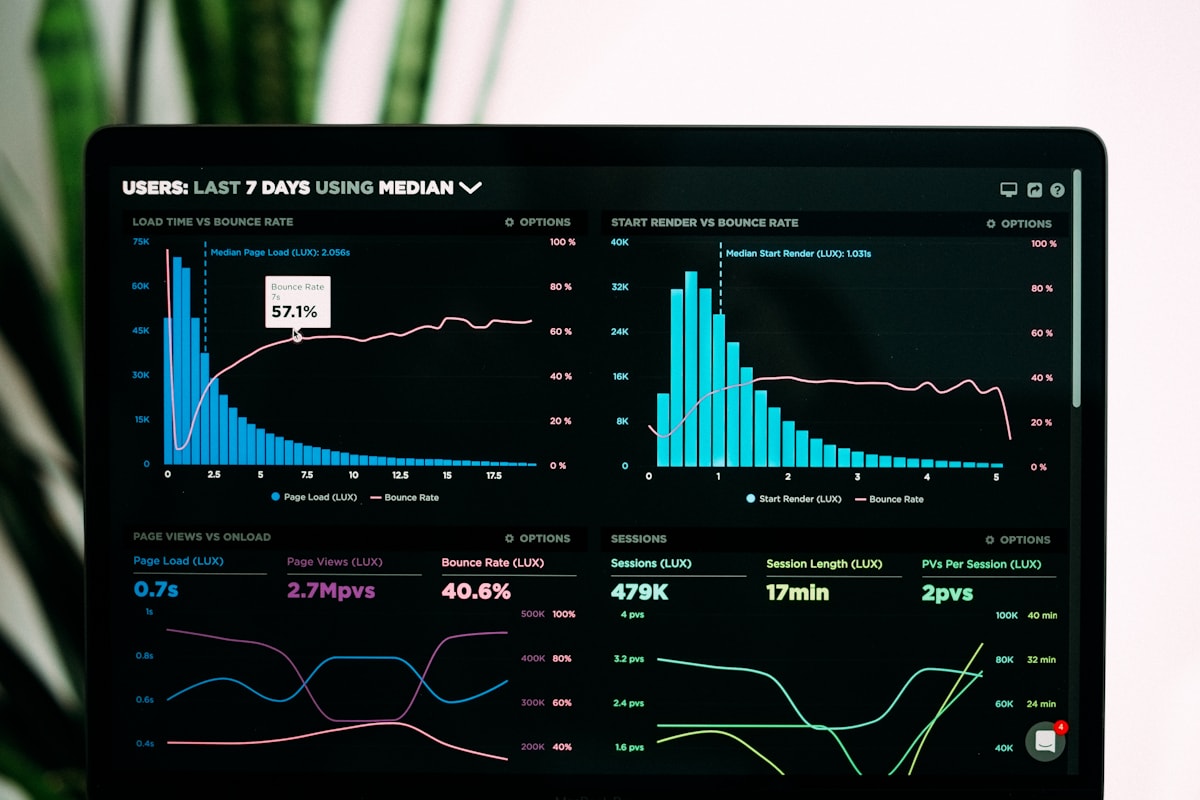
−92%
model cost
B2B Lead Qualification

~667h
manual scanning equivalent daily
Executive Intelligence
We install the missing logic between the systems your team already knows. No new command centre. No migration disguised as progress.
And the rest of your stack. Connections are bidirectional, logged, and verified before they are trusted.
Clear answers about timing, access, ownership, risk, and what working together actually asks of your team.
There's no price list, because there's no standard department. You get a fixed, written price after the audit maps exactly what needs building. Not a range, not a retainer guess.
Start with one workflow
Bring the process your team still runs by hand. We'll show you what is worth changing, and what is not.
Get in touch ↗